Child Sleepwalking: Why It Happens and How to Keep Them Safe
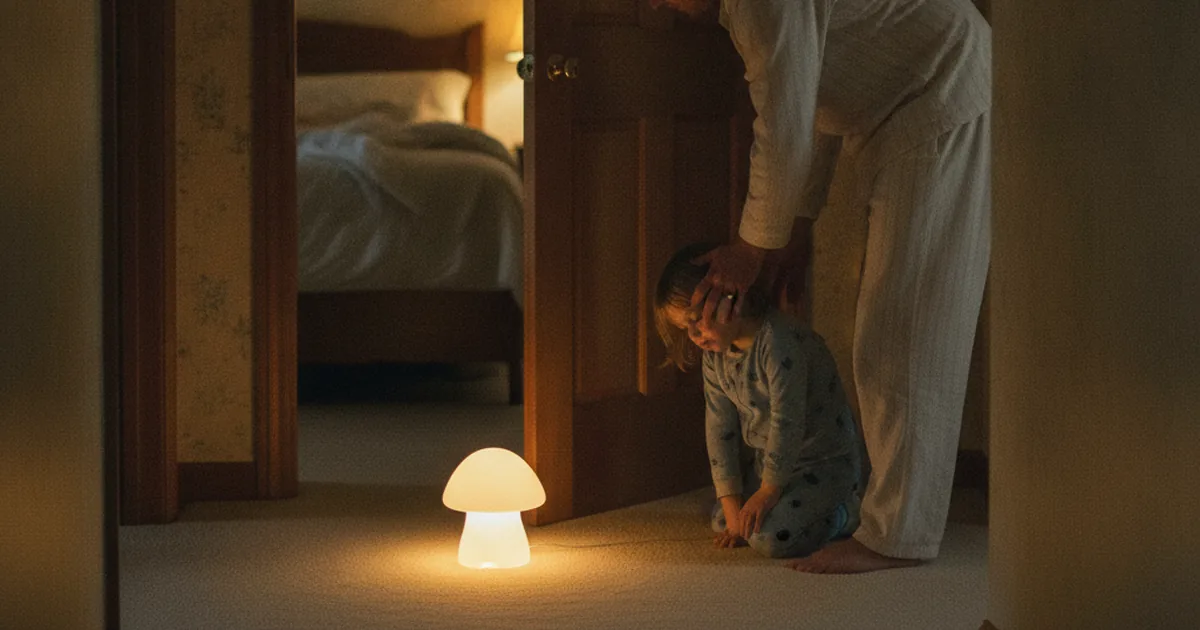
What is sleepwalking, exactly?
Sleepwalking (the clinical term is somnambulism) is a parasomnia — a category of sleep behaviors that happen when the brain is partway between deep sleep and waking. During a typical night, children cycle through stages of sleep, and sleepwalking usually occurs during the deepest stage, called slow-wave sleep, which is concentrated in the first third of the night. That's why episodes so often happen one to three hours after bedtime rather than toward morning.
During an episode, a child's motor system is active enough to sit up, walk, or even carry out simple tasks like opening a drawer, while the parts of the brain responsible for awareness and memory stay mostly offline. This is why a sleepwalking child's eyes may be open, their movements may look purposeful, and they may even mumble a few words — but they aren't conscious in any meaningful way, and almost never remember the episode the next morning.
Is my child having a nightmare?
No, and this is one of the most common mix-ups. Nightmares happen during REM sleep, which is concentrated later in the night and is when vivid dreaming occurs. Sleepwalking happens during deep, non-dreaming sleep, usually earlier in the night. A sleepwalking child isn't acting out a scary dream; their brain simply hasn't fully transitioned out of deep sleep. It's a similar family of behavior to night terrors — both are partial arousals from deep sleep rather than dream-related events — and the two often show up in the same children. If you want the fuller picture on how nightmares and their more dramatic cousin differ, our post on night terrors vs. nightmares walks through the distinction in more detail.
What triggers sleepwalking episodes?
A few factors show up again and again in the research and in pediatric guidance:
Overtiredness. A child who's short on sleep spends more time in the deep, slow-wave stage where sleepwalking originates, which raises the odds of an episode. This is the single biggest lever most families have.
An irregular schedule. Inconsistent bedtimes and wake times, skipped naps, or a schedule that shifts around on weekends can have the same overtiredness effect even when total sleep looks adequate on paper.
Fever or illness. Being sick, especially with a fever, is a well-documented trigger for parasomnias in general.
A full bladder or an unfamiliar sleep environment. Needing to use the bathroom, or sleeping somewhere new like a hotel or a grandparent's house, can prompt a partial arousal that turns into sleepwalking.
Family history. Sleepwalking and night terrors both tend to run in families; if a parent sleepwalked as a child, it's meaningfully more likely their child will too.
Since most of these are at least partly within a family's control, the most effective thing you can do isn't a special sleepwalking treatment — it's protecting an age-appropriate bedtime and a steady schedule, the same fundamentals that help most sleep issues.
What should I actually do during an episode?
Don't try to fully wake them up. It's a common instinct, but waking a sleepwalking child abruptly usually just leaves them confused, disoriented, and sometimes frightened, and it tends to make it harder for them to settle back to sleep. It's also not necessary for their safety.
Gently guide, don't grab. Speak in a low, calm, reassuring voice and steer your child back toward their bed with a light hand on the shoulder or back. Most sleepwalking children will cooperate with gentle guidance without ever fully surfacing to awareness.
Prioritize safety over correction. If your child is heading somewhere genuinely unsafe — toward stairs, an exterior door, or a window — the priority is redirecting them away from that path, calmly and physically if needed, not explaining or reasoning with them. They aren't able to process that in the moment.
Expect no memory the next day. Most children have no recollection of the episode. There's usually no need to bring it up dramatically in the morning; a brief, low-key mention is enough if your child seems to want to know what happened.
How do I childproof for sleepwalking?
Because episodes are unpredictable and a child isn't reasoning normally during one, the most reliable protection is environmental, not behavioral:
Gate the stairs. A gate at the top of any staircase is the single highest-value safety step for a sleepwalking child.
Secure doors and windows. Add higher locks, chain locks, or a door or window alarm on any exit to the outside, especially if episodes have ever involved trying to leave a room.
Clear the floor. Toys, cords, and clutter in the path between the bed and the door become trip hazards during an episode when a child isn't looking down.
Add a door or bed alarm. A simple bell hung on the doorknob, or a motion-sensor door alarm, will wake a parent if a child leaves their room, without needing anyone to stay up listening.
Keep the sleep environment predictable. Since unfamiliar surroundings can trigger episodes, keeping travel sleep setups as close to home as reasonably possible helps, alongside a familiar wind-down cue. A steady, unhurried bedtime routine also does double duty here: it protects against the overtiredness that's the biggest controllable trigger. Sleepy Spell's private, screen-dark audio bedtime stories are designed to be exactly that kind of consistent, screen-dark cue every night, whether your child is sleeping at home or away.
Will my child outgrow it?
In the vast majority of cases, yes. Sleepwalking is most common in children roughly ages 4 to 12, peaks somewhere in the early elementary years, and typically fades on its own as sleep architecture matures through adolescence. A smaller number of people continue to have occasional episodes into the teenage years or even adulthood, often tied to overtiredness or stress rather than anything new. Occasional episodes in an otherwise healthy, well-rested child are considered a normal developmental quirk, not a disorder to treat.
This post reflects general guidance on childhood sleepwalking and isn't medical advice. If episodes are frequent, involve dangerous behavior, include movements that look like seizures, or come with unusual daytime sleepiness, talk with your pediatrician — they can help rule out other causes and, in rare persistent cases, discuss options.
Frequently asked questions
Is it dangerous to wake a sleepwalking child?
It's not dangerous in a medical sense, but it's usually unnecessary and can leave a child confused, frightened, or slow to fall back asleep. The more reliable approach is to gently guide them back to bed without fully waking them, speaking in a low, calm voice and steering rather than shaking or shouting. Waking is only the priority if they're about to walk into real danger, such as stairs or a door to the outside.
At what age does sleepwalking usually start and stop?
Sleepwalking is most common in children between about ages 4 and 12, with a peak somewhere in the early elementary years. Most children outgrow it naturally by the teenage years as their sleep architecture matures, though a smaller number continue to have occasional episodes into adulthood, often when overtired or stressed.
Does sleepwalking mean my child is having a nightmare?
No. Sleepwalking happens during deep, non-dreaming sleep, usually in the first third of the night, while nightmares happen during REM sleep later in the night when vivid dreaming occurs. A sleepwalking child isn't acting out a dream; their brain is only partly awake and there's typically no memory of the episode the next morning.
What triggers sleepwalking episodes?
The most common triggers are overtiredness, an irregular or shortened sleep schedule, fever or illness, a full bladder, and sleeping somewhere unfamiliar. Family history matters too, since sleepwalking tends to run in families. Reducing these triggers, especially by protecting an age-appropriate bedtime and consistent wake time, is the main thing that lowers how often episodes happen.
How do I childproof a room for a sleepwalking child?
Focus on the paths a sleepwalking child might actually take: install a gate at the top of stairs, add extra locks or an alarm on exterior doors and windows, keep the floor clear of toys and cords that could cause a trip, and consider a bell or motion alarm on the bedroom door so you hear if they leave the room. None of this requires waking your child on purpose — it's about making the space itself safer.
When should sleepwalking be checked by a doctor?
Occasional, brief sleepwalking in an otherwise healthy child usually doesn't need medical evaluation. It's worth a conversation with a pediatrician if episodes happen very frequently, involve dangerous behavior like trying to leave the house, are accompanied by unusual movements that look like seizures, continue heavily into the teenage years, or leave your child unusually sleepy during the day, which can point to a separate sleep disorder worth ruling out.
Sources
American Academy of Pediatrics (HealthyChildren.org) — Sleepwalking in Children.
Sleep Foundation — Sleepwalking: Symptoms, Causes, and Treatment.
Stanford Medicine Children's Health — Sleepwalking in Children.
Nationwide Children's Hospital — Sleepwalking in Children.