Sleep Training Methods Compared: Ferber, Chair Method, and No-Tears Approaches
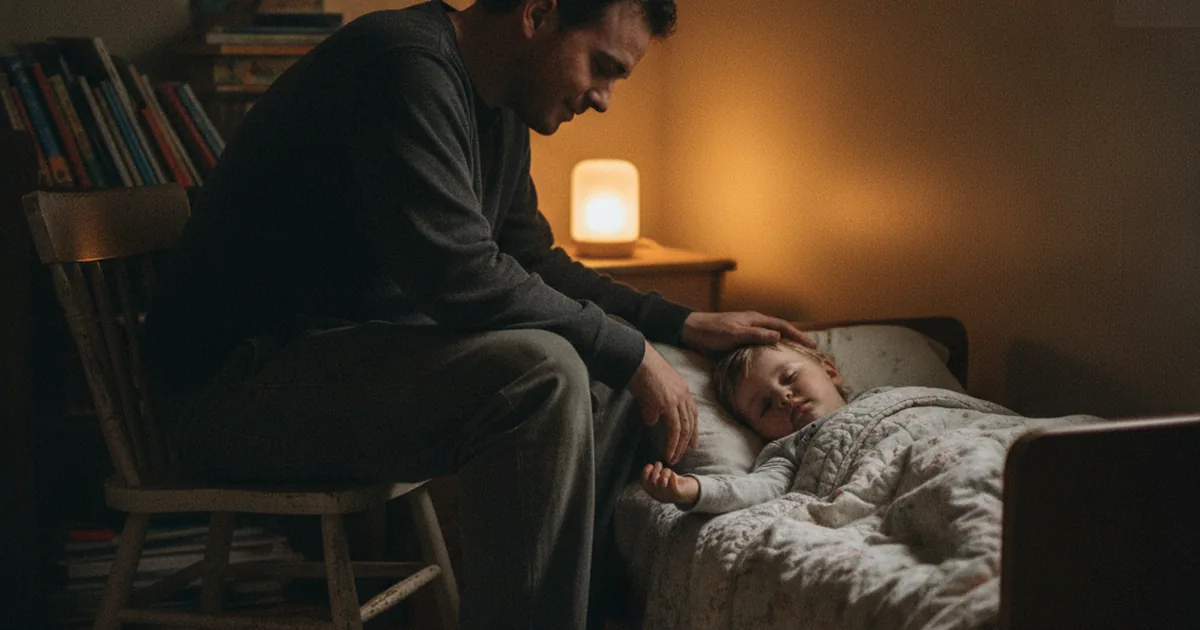
If you've searched "sleep training methods," you've probably landed on a dozen articles that each swear by a different approach — and a comment section arguing about all of them. That's because sleep training was never really one method. It's a set of different strategies for teaching a child to fall asleep (and fall back asleep after normal night wakings) without a parent's direct help, and they trade off speed, parental involvement, and how much protest crying is involved along the way.
This isn't medical advice, and every child's temperament, age, and health history are different — talk to your pediatrician before starting, especially if your child has any medical or developmental condition that affects sleep. What follows is a plain-language comparison of the three approaches parents ask about most.
What does "sleep training" actually mean?
At its core, sleep training means teaching a child to fall asleep independently at bedtime and to resettle on their own after the brief wakings that are a completely normal part of every human's sleep cycle — adults have them too, we just don't remember. A child who hasn't learned to self-settle needs the same conditions (rocking, feeding, a parent lying beside them) every single time they surface between sleep cycles, which is why night wakings can feel endless in the months before training.
Every method below aims at that same goal. They differ mainly in how much a parent is present during the learning process and how quickly the change tends to happen.
The Ferber method (graduated extinction): how does it work?
Named for pediatrician Dr. Richard Ferber, this is the method most people picture when they hear "sleep training." After the bedtime routine, you put your child down awake and leave the room. If they cry, you wait a set interval — often starting around three minutes — before a brief, boring check-in: a few words, a hand on the back, no picking up, no feeding. Each check gets a little longer, and the intervals stretch across the following nights.
- Typical timeline: noticeable change in 3-7 nights for most children.
- Parent involvement: brief, scheduled check-ins; most time is spent outside the room.
- Best fit: families who want a faster, more structured process and can tolerate some crying during the learning window.
The chair method: is staying in the room easier?
The chair method (sometimes called "camping out") keeps a parent physically present but gradually less involved. You sit in a chair beside the crib or bed each night, offering minimal comfort — a quiet "I'm here," no picking up or lying down — and every few nights you move the chair a little further from the bed until you're at the door, then gone.
- Typical timeline: often 1-3 weeks, since the chair moves in small increments.
- Parent involvement: high at first (you're in the room every night), tapering gradually.
- Best fit: parents who find leaving the room distressing, or toddlers who do better seeing a parent nearby while they practice settling.
No-tears and gentle methods: what do they actually change?
"No-tears" isn't a single technique so much as a philosophy: instead of practicing self-settling directly, you adjust everything around sleep — an earlier, more consistent bedtime, a longer wind-down, a rock-then-place-down-drowsy-but-awake habit, responding immediately to fussing rather than letting it build. Progress tends to be gradual rather than a clear "before and after," and it depends heavily on staying consistent night after night.
- Typical timeline: weeks to a few months for a noticeable shift.
- Parent involvement: high and ongoing; you're actively responding rather than stepping back on a schedule.
- Best fit: families who want to avoid protest crying entirely and are comfortable with a slower, less linear timeline.
What does the research actually say?
This is one of the more heavily studied corners of parenting advice. A frequently cited study published in the journal Sleep reviewed dozens of trials of graduated extinction and chair-method-style approaches and found them effective for reducing bedtime resistance and night wakings, with no evidence of harm to child wellbeing. A separate longer-term follow-up published in Pediatrics tracked children years after sleep training and found no measurable difference in stress, emotional or behavioral problems, or the parent-child attachment relationship compared with children who weren't trained. If you're worried sleep training will damage trust with your child, that specific fear isn't borne out by the data collected so far — though researchers are clear that more study, especially on gentler methods, is still ongoing.
What the research doesn't settle is which method is "best," because the honest answer is that the best method is the one that matches your child's temperament and your own tolerance — a technique you abandon out of guilt on night three won't help anyone sleep better.
How do you choose between them?
A few practical questions tend to narrow it down fast:
- How much crying can you tolerate hearing? If very little, start with the chair method or a no-tears approach.
- How much time do you have before you need results? Ferber is the fastest of the three if bedtime is currently a multi-hour ordeal.
- Is your child anxious or easily overwhelmed at bedtime? If so, staying present — chair method, or working through what's driving the anxiety itself first — often goes better than a method built around leaving the room.
- Is the real problem overtiredness, not settling? No method works well against a child who's overstimulated or past their sleep window — see our piece on why toddlers fight sleep even when exhausted before assuming it's purely a settling issue.
Does the bedtime routine matter as much as the method?
Genuinely, yes — arguably more. Whichever method you choose works better inside a short, calm, predictable wind-down: bath or wash-up, pajamas, a quiet activity, then the same closing ritual every night in the same order. A consistent routine is what tells a child's body "sleep is next" before you even start the settling method, and it's the one piece every approach — Ferber, chair, or no-tears — has in common.
One easy way to keep that final stretch calm and screen-free: a soft, screen-dark audio story instead of a lit tablet or phone. Sleepy Spell generates personalised bedtime stories, narrated on your device, so the last few minutes before lights-out stay dim, quiet, and free of the alerting glow that can work against whichever settling method you're using. See how it works →
When should you talk to a pediatrician instead?
Loop in your child's doctor before starting if there's an underlying medical issue (reflux, sleep apnea, eczema flare-ups, etc.) that could be driving night wakings, if your child is under four months old, or if bedtime resistance is paired with signs of illness, developmental concerns, or a sudden dramatic change in sleep that doesn't fit their usual pattern. A pediatrician can also help you sanity-check that the method you've picked is age-appropriate.
Frequently asked questions
What is the fastest sleep training method?
Graduated extinction (the Ferber method) tends to work fastest for most families, often showing real improvement within three to seven nights, because the child gets very consistent, very short feedback that a parent isn't coming to eat, rock, or lie down with them. Speed isn't the only measure of success, though — a slower method you can actually stick with beats a fast one you abandon on night two.
Is the chair method easier on parents than Ferber?
Emotionally, many parents find the chair method easier because they stay in the room, so there's less of the "listening to crying from the hallway" distress. Practically it's often slower, sometimes taking two to three weeks of nightly chair-moving before a child falls asleep unassisted, and it demands a lot of quiet, boring consistency from the parent each night.
Do no-tears sleep methods actually work?
They can work, but they usually take longer and rely on you reading the room correctly night after night. No-tears approaches shape the routine, wake time, and environment around sleep rather than teaching a child to self-settle through structured practice, so progress tends to be gradual rather than dramatic.
Does sleep training cause long-term harm to a child?
The research available so far, including follow-up studies published in Pediatrics, hasn't found evidence of harm to attachment, emotional health, or the parent-child bond from graduated extinction methods used appropriately. Every child and family is different, though, and if a method feels wrong for your child, it's fine to stop and try a gentler approach or talk to your pediatrician.
What age should you start sleep training?
Most pediatric sleep guidance points to around four to six months as the earliest reasonable window, once a baby is developmentally able to sleep for longer stretches without a feed. There's no upper age limit — many families successfully use these same principles with toddlers and preschoolers who still need help settling at bedtime.
Can a bedtime story replace part of sleep training?
A story doesn't replace the settling method itself, but a calm, predictable wind-down — bath, story, lights down, goodnight — makes any method easier because the child's body already recognizes sleep is coming next. A screen-dark audio story keeps the routine soothing without the alerting effect of a lit screen right before the settling practice begins.
Sources
Mindell JA, et al., "Behavioral Treatment of Bedtime Problems and Night Wakings in Infants and Young Children" — Sleep, National Library of Medicine (PubMed).
Price AMH, et al., "Five-Year Follow-up of Harms and Benefits of Behavioral Infant Sleep Intervention" — Pediatrics, National Library of Medicine (PubMed).
American Academy of Pediatrics — Healthy Sleep Habits (HealthyChildren.org).
Sleep Foundation — Sleep Training Methods Explained.