Snoring and Sleep Apnea in Kids: When It's Harmless and When to Worry
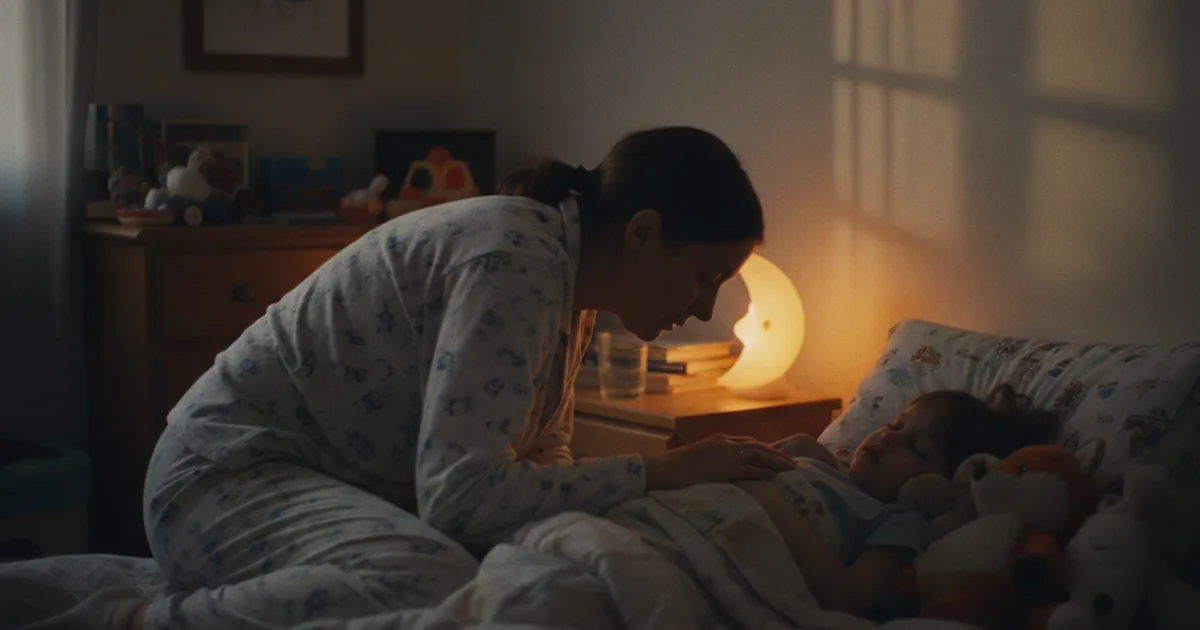
Is it normal for kids to snore sometimes?
Yes, more often than most parents expect. A stuffy nose from a cold or seasonal allergies can make almost any child snore for a few nights, and a meaningful share of otherwise healthy kids snore lightly and occasionally with no lasting effect on their sleep or health. That kind of snoring — soft, inconsistent, tied to congestion — is generally considered “primary” snoring and isn't something to lose sleep over yourself.
What changes the picture is frequency and intensity. Snoring that's loud enough to hear through a closed door, that happens on most nights rather than during illness, or that comes with other symptoms below is a different situation — one where it's worth understanding what's actually going on in your child's airway while they sleep.
What's the difference between ordinary snoring and sleep apnea?
Snoring is just a sound — the vibration of soft tissue in a partially narrowed airway. Obstructive sleep apnea (OSA) is a medical condition where that airway narrows enough, or briefly closes, that breathing is genuinely disrupted during sleep. A child with OSA might snore loudly, then go quiet for a few seconds as breathing pauses, then gasp, snort, or resettle with a loud breath as airflow resumes. Because this can happen dozens of times a night without a child ever fully waking up or remembering it, parents are often the first and only ones to notice the pattern.
The two conditions share a symptom — snoring — but they aren't the same thing, and only a small fraction of children who snore actually have OSA. Still, snoring is the most visible clue parents have, which is exactly why it's the detail pediatricians ask about first when frequent, fragmented waking or unusual daytime tiredness comes up (something we cover more broadly in why toddlers wake up multiple times a night).
What usually causes sleep apnea in children?
In kids, the leading cause by a wide margin is enlarged tonsils and adenoids. These tissues sit right at the back of the throat and nose, and in young children they're proportionally large compared to the airway to begin with — when they're also swollen from allergies, repeated infections, or simply naturally larger in a given child, they can narrow the airway enough to cause real obstruction during sleep.
Other contributors include chronic nasal congestion or allergies, being above a healthy weight for height, certain jaw or facial structures that narrow the airway, and underlying conditions such as Down syndrome or other conditions affecting muscle tone or airway anatomy. Unlike sleep apnea in adults, which is frequently a long-term condition managed rather than cured, pediatric sleep apnea is often highly treatable once the underlying cause is found — which is exactly why it's worth chasing down rather than assuming it's just “how your child sleeps.”
What are the warning signs beyond the snoring itself?
Snoring alone rarely tells the full story. These are the details worth paying attention to over a few nights:
Pauses in breathing. A brief silence after loud snoring, followed by a gasp, snort, or choking sound as breathing restarts. This is the single most specific sign of obstructive sleep apnea.
Constant mouth-breathing. Sleeping with the mouth open and head tipped back, night after night, can point to a chronically obstructed nasal or throat airway rather than just a passing cold.
Very restless or sweaty sleep. A child working harder than normal to breathe overnight can toss constantly, sleep in unusual positions (like sitting up or with the neck hyperextended), or sweat heavily despite a cool room.
Daytime signs. Because fragmented, obstructed sleep doesn't restore a child the way normal sleep does, it can show up during the day as grogginess, irritability, trouble waking up, or — somewhat counterintuitively — hyperactivity and poor concentration that can resemble an attention issue rather than a sleep one. If your child's daytime behavior doesn't match how many hours they were technically in bed (see our age-by-age sleep chart for typical ranges), disrupted breathing overnight is worth ruling out.
What happens if it's left untreated?
Occasional light snoring doesn't need treatment. But untreated obstructive sleep apnea, over time, can affect a child's growth, behavior, learning, and cardiovascular health, because it repeatedly interrupts the deep, restorative sleep stages a developing brain and body rely on. This isn't meant to alarm — most snoring is benign, and even confirmed OSA in children responds very well to treatment once it's identified. The goal of knowing the warning signs isn't to worry about every snore; it's to notice the pattern early enough that a pediatrician can rule it in or out with confidence.
What can help while you sort it out?
If your child snores occasionally during a cold, there's usually nothing to do beyond the usual comfort measures — a cool-mist humidifier, saline drops for a stuffy nose, and an extra pillow to prop them up slightly. If allergies seem to be a recurring trigger, talking to your pediatrician about managing them can reduce nighttime congestion generally.
What doesn't help, and what's worth avoiding while you figure out what's going on, is anything that makes bedtime more stimulating right when your child's sleep may already be fragmented — a bright screen right before lights-out, an overtired late bedtime, or an inconsistent wind-down that adds its own disruption on top of a physical one. A calm, dark, screen-free routine won't fix an airway problem, but it gives your child's sleep the best possible conditions while you get an evaluation, and it's simply good practice either way. Sleepy Spell's private, screen-dark audio stories are built for exactly that: a warm voice and a dark room, with no glowing screen to work against an already-interrupted night.
When should I see a doctor?
Talk to your pediatrician if snoring is loud and happens most nights rather than only during a cold, if you notice pauses in breathing, gasping, or choking sounds during sleep, if your child mouth-breathes constantly, or if daytime crankiness, sleepiness, or trouble concentrating seems out of step with how much sleep they're getting. Your pediatrician can do a physical exam, ask about your child's sleep pattern in detail, and refer you to an ENT specialist or a pediatric sleep study if warranted — a straightforward, well-established path to an answer.
This post reflects general parenting guidance and isn't medical advice. If you're concerned about your child's breathing during sleep, please talk with your pediatrician, who can examine your child and advise on next steps specific to them.
Frequently asked questions
Is it normal for kids to snore sometimes?
Yes. Occasional, quiet snoring during a cold or allergy flare-up is common and usually harmless, and light snoring shows up in a large share of otherwise healthy children. It becomes worth a closer look when it's loud, happens most nights regardless of illness, or is paired with pauses in breathing, gasping, or very restless sleep.
What's the difference between ordinary snoring and sleep apnea in children?
Ordinary or “primary” snoring is just noisy breathing with no drops in oxygen and no real disruption to sleep quality. Obstructive sleep apnea (OSA) means the airway is actually narrowing or briefly closing during sleep, which can cause pauses in breathing, gasping or choking sounds, and fragmented sleep even if the child doesn't fully wake up. Snoring is a symptom both share; apnea is a distinct, more serious condition that needs medical evaluation to confirm.
What usually causes sleep apnea in kids?
In children, the most common cause by far is enlarged tonsils and adenoids narrowing the airway during sleep. Other contributors include allergies or chronic nasal congestion, being above weight for height, certain facial or jaw structures, and conditions like Down syndrome. Unlike in adults, pediatric sleep apnea is often very treatable once the underlying cause is identified.
What are the warning signs of sleep apnea beyond snoring itself?
Watch for pauses in breathing during sleep, gasping, snorting, or choking sounds, breathing through the mouth with the head tipped back, very sweaty or restless sleep, and daytime signs like trouble waking up, crankiness, or in some children, hyperactivity and difficulty concentrating that can look like an attention issue rather than a sleep one.
Can removing tonsils and adenoids actually fix a child's sleep apnea?
For many children whose apnea is caused by enlarged tonsils and adenoids, removing them (adenotonsillectomy) resolves or significantly improves the breathing pauses and related symptoms. It's a common, well-studied procedure, though it isn't automatic for every child and the decision is made with an ENT specialist based on a full evaluation, sometimes including a sleep study.
When should I get my child evaluated for sleep apnea?
Talk to your pediatrician if snoring is loud and happens most nights, if you notice pauses in breathing, gasping, or choking during sleep, if your child mouth-breathes constantly or seems unusually sleepy, cranky, or hyperactive during the day, or if snoring persists for more than a few weeks without an obvious cause like a cold. Your pediatrician can examine your child and refer you to an ENT or a pediatric sleep specialist if needed.
Sources
American Academy of Pediatrics (HealthyChildren.org) — Healthy Sleep Habits.
Sleep Foundation — Sleep Apnea in Children.
Marcus CL, et al., “Diagnosis and Management of Childhood Obstructive Sleep Apnea Syndrome” — Pediatrics, National Library of Medicine (PubMed).
ZERO TO THREE — Sleep: What Every Parent Needs to Know.